
Closed Kitchen Floor Plans: A Practical Guide for Modern Homes
For years, open-concept layouts dominated home design. Walls came down, kitchens blended into living spaces, and everything felt more connected. But recently, something interesting has been happening—more homeowners are asking about closed kitchen floor plans again.
At first, that might seem like a step backward. Why move away from open layouts that feel spacious and social?
The answer is simple: people’s needs have changed. Cooking habits, work-from-home routines, and a desire for quieter, more organized spaces are shifting how kitchens are used day to day.
For homeowners working with builders like Hawksbill Homes Carolina, the conversation is no longer about “open vs. closed” as a trend—it’s about what actually works for your lifestyle. This guide breaks down why closed kitchens are gaining attention, how they compare to open designs, and how to make the right decision for your home.
What Is a Closed Kitchen Floor Plan?
A closed kitchen floor plan is a layout where the kitchen is separated from other living areas by walls, doors, or partial enclosures.
Key characteristics:
- Defined boundaries between the kitchen and the living spaces
- Limited visibility from adjacent rooms
- More control over noise, smells, and clutter
This doesn’t necessarily mean small or outdated. Today’s modern kitchen designs are redefining what a closed kitchen can look like.
Why Homeowners Are Reconsidering Closed Kitchens
The shift toward closed kitchens isn’t random—it reflects real changes in how people use their homes.
1. More Focused Cooking Spaces
Cooking has become more intentional for many households.
- Less distraction from TV or conversation
- Easier to concentrate on meal prep
- A more functional workflow
2. Better Control Over Noise and Smells
Open kitchens of ten come with trade-offs.
- Cooking odors spread throughout the house
- Appliance nois e affects nearby living areas
Closed kitchens create separation, which can make the rest of the home more comfortable.
3. Cleaner Visual Spaces
In open layouts, the kitchen is always visible.
- Dishes, appliances, and clutter are on display
- Mess can impact the overall feel of the home
With a closed kitchen, you can contain that activity without affecting other spaces.
4. More Flexibility in Design
Walls create opportunities.
- More cabinet space
- Additional storage options
- Easier placement for appliances
This is especially useful when planning high-end kitchens that require both function and visual balance.
Closed vs. Open Kitchens: What’s the Real Difference?
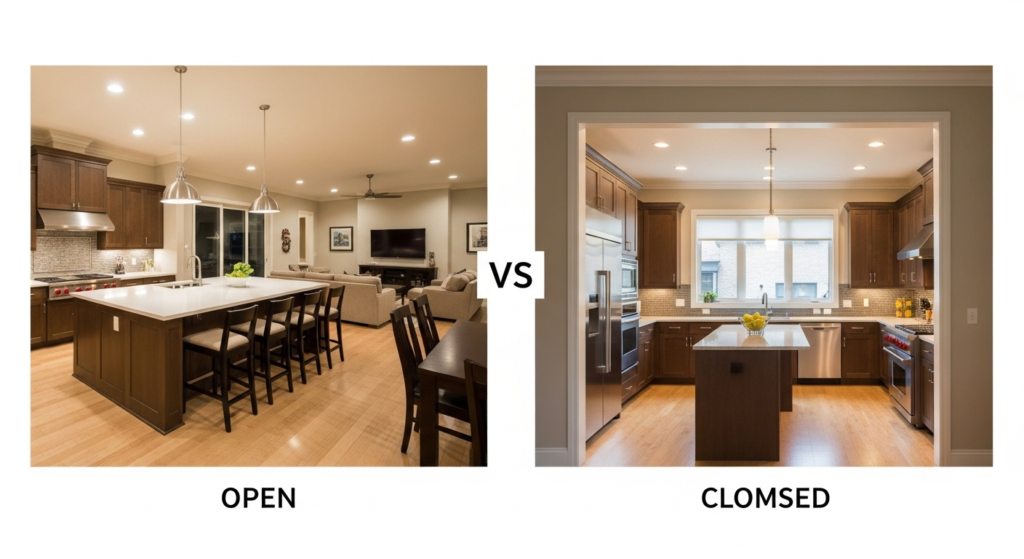
Instead of thinking of one as better, it helps to understand how they function differently.
Closed Kitchens
- More privacy
- Better noise and odor control
- Defined work zone
Open Kitchens
- More social interaction
- Greater sense of space
- Easier entertaining flow
The right choice depends on how you use your home—not what’s currently popular.
Modern Closed Kitchen Designs: What They Look Like Today
Closed kitchens today are not the same as older, boxed-in layouts. Design has evolved to keep them functional and visually appealing.
1. Partial Separation Instead of Full Walls
Many homeowners prefer a balance.
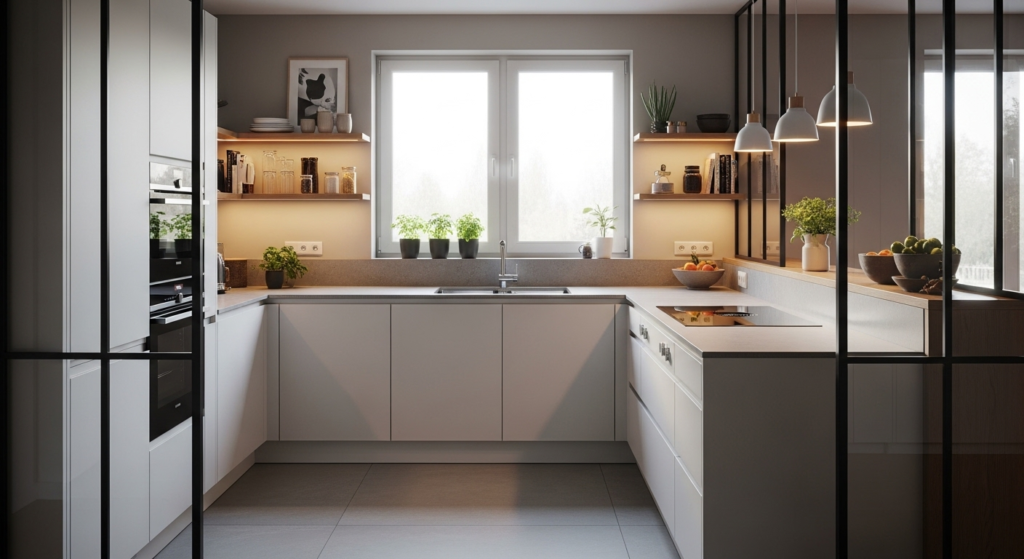
- Glass partitions
- Sliding doors
- Wide openings with defined boundaries
This keeps some connection while maintaining separation.
2. Improved Lighting and Layout
One concern with closed kitchens is that they can feel dark.
Modern solutions include the following:
- Larger windows
- Layered lighting (task, ambient, accent)
- Lighter color palettes
3. Smart Storage Solutions
With more wall space, storage becomes more efficient.
- Full-height cabinets
- Built-in pantry systems
- Hidden appliance storage
These features make modern closed kitchen designs highly functional.
4. Thoughtful Kitchen Island Designs
Even in closed layouts, islands are still valuable.
- Provide additional prep space
- Improve workflow
- Offer casual seating when space allows
The key is proportion—ensuring the island fits comfortably within the room.
Designing a Closed Kitchen That Feels Open
A closed kitchen doesn’t have to feel confined.
Practical design strategies:
- Use lighter colors to reflect natural light
- Incorporate glass doors or panels
- Maintain clear sightlines where possible
- Choose consistent materials that connect with adjacent spaces
These details help the kitchen feel connected—even when it’s technically separate.
Cost Considerations: What Changes With Closed Kitchens?
The cost of a closed kitchen depends more on finishes and layout than the concept itself.
Potential cost factors:
- Additional walls or structural changes
- Cabinet quantity (often higher in closed layouts)
- Lighting upgrades
- Ventilation systems
However, closed kitchens can also offer efficiencies.
- Easier to control HVAC performance
- More predictable layout planning
- Reduced need for decorative finishes in adjacent spaces
When thinking about kitchen design within the broader context of your home, it’s helpful to consider how layout choices influence both function and long-term value.
Practical Insights: Common Mistakes to Avoid
1. Making the Space Too Enclosed
A fully closed kitchen without proper lighting or airflow can feel restrictive.
Solution: Incorporate windows, glass elements, or partial openings.
2. Ignoring Workflow
Layout matters more than style.
- Poor appliance placement disrupts efficiency
- Limited counter space creates frustration
3. Overcrowding With Features
More walls can tempt homeowners to add too much.
- Too many cabinets
- Oversized islands
- Excessive design elements
Balance is key.
4. Not Considering Long-Term Use
Trends change, but daily habits don’t.
- Think about how you cook and use the space
- Plan for flexibility where possible
How to Decide If a Closed Kitchen Is Right for You?
The decision comes down to lifestyle.
Closed kitchens may be a good fit if you:
- Prefer a quieter, more private cooking space
- Want to separate cooking from entertaining
- Value organization and visual simplicity
Open kitchens may work better if you:
- Host frequently
- Want continuous interaction between spaces
- Prefer a more casual, connected layout
If you’re exploring layout options and weighing these choices, it’s helpful to think through how your kitchen connects to the rest of your home rather than focusing on one design in isolation.
Expert Perspective: Why Layout Decisions Matter Early
Kitchen layout decisions affect more than just the kitchen.
They influence:
- Structural design
- Electrical and plumbing systems
- Overall home flow
Making these decisions early in the planning process helps avoid costly changes later.
An experienced builder or designer can guide you through:
- Space planning
- Material selection
- Functional layout design
If you’re in the early stages of planning and want to better understand how different layouts might work in your home, it’s worth taking the time to contact us and discuss your ideas before finalizing a design.
The Future of Kitchen Design: Balance Over Trends
The conversation around kitchen layouts is shifting.
Instead of choosing between open or closed, many homeowners are blending the two.
Emerging approaches:
- Semi-open kitchens
- Flexible partitions
- Multi-functional spaces
This reflects a broader trend toward adaptability—homes that work for different needs over time.
Conclusion
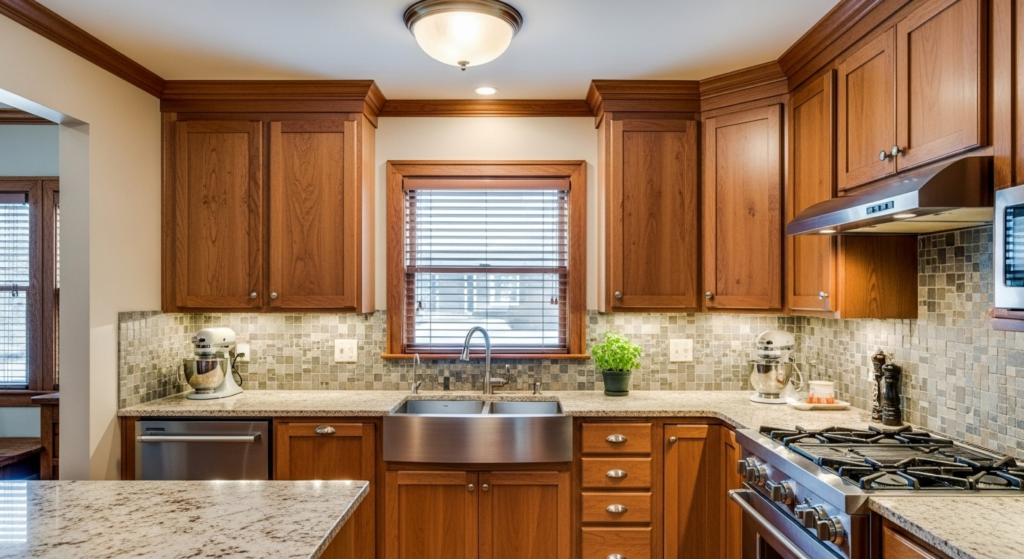
The renewed interest in closed kitchen floor plans isn’t about going backward—it’s about choosing what fits your lifestyle today.
When you focus on:
- How you use your space
- What makes your home comfortable
- What supports your daily routine
You end up with a kitchen that works better, regardless of trends.
At Hawksbill Homes Carolina, the goal is to help homeowners make thoughtful design decisions that hold up over time. If you’re considering a new build or renovation, the next step is simply to explore what layout makes the most sense for your home.
Contact us today to start planning a kitchen design that fits your lifestyle.
FAQs
What is a closed kitchen floor plan?
It’s a kitchen layout that is separated from other living areas by walls or partitions.
Are closed kitchens outdated?
No. Modern designs have made them more functional and visually appealing.
Do closed kitchens cost more to build?
Not necessarily. Costs depend more on materials and layout complexity.
Can a closed kitchen still feel open?
Yes, with good lighting, layout, and design elements like glass doors.
Which is better: open or closed kitchens?
It depends on your lifestyle, cooking habits, and how you use your home.