
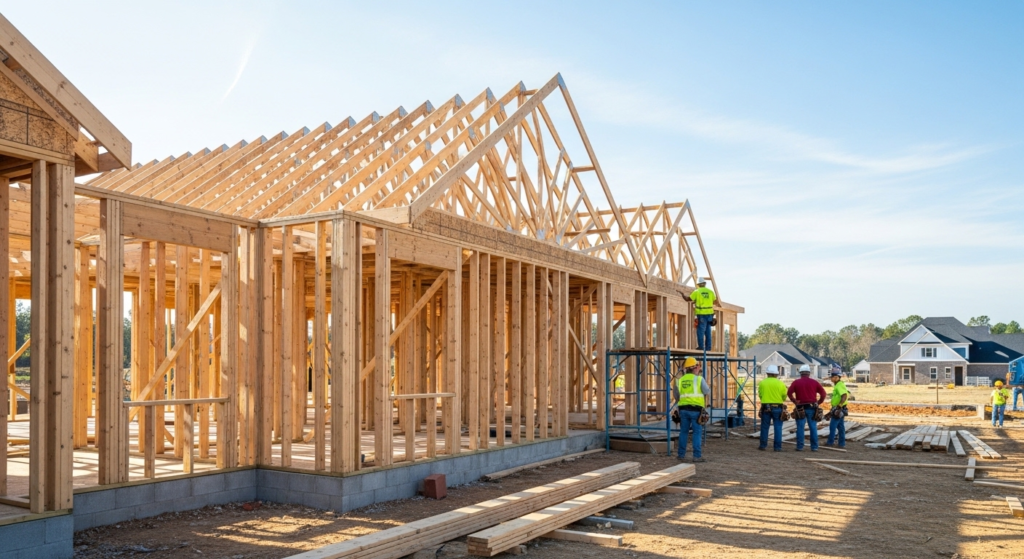
Custom Home Build Cost Per Square Foot in NC: 2026 Trends
If you’ve started researching the custom home build cost per square foot in North Carolina, you’ve probably seen a wide range of numbers—sometimes wildly different. One builder says $150 per square foot, another says $350, and suddenly it feels impossible to know what’s real.
Here’s the truth: cost per square foot is a helpful starting point-but it’s not a complete answer.
In 2026, building a custom home in North Carolina is shaped by more than just size. Land conditions, material choices, labor availability, and design complexity all play a role. For homeowners working with builders like Hawksbill Homes Carolina, understanding these moving parts early can make the entire process smoother, more predictable, and far less stressful.
This guide breaks down what’s actually driving new home construction costs in NC today-and what you should realistically expect before you start building.
What Is the Average Custom Home Build Cost Per Square Foot in NC (2026)?
In 2026, the average price to build a house in North Carolina typically falls within this range:
- $180 to $300+ per square foot for custom homes
- $300+ per square foot for high-end or luxury builds
- $150–$200 per square foot for more basic, builder-grade construction
But here’s where people get tripped up: these numbers are averages—not guarantees.
What “per square foot” usually includes:
- Structure and framing
- Basic interior finishes
- Standard systems (HVAC, plumbing, electrical)
What it often does not include:
- Land purchase
- Site preparation (grading, clearing, utilities)
- Permits and impact fees
- Driveways, landscaping, or outdoor features
So when asking “how much to build a house in NC?”, it’s important to look beyond just square footage and consider the full project cost.
What’s Driving Construction Costs in 2026?
1. Material Costs Have Stabilized—But Not Dropped
After years of volatility, material prices have leveled out somewhat. However, they haven’t returned to pre-2020 levels.
- Lumber is more predictable but still elevated
- Concrete and steel remain expensive due to energy costs
- Specialty materials (windows, cabinetry) are still subject to delays
What this means: Builders can estimate more accurately, but costs remain higher than many expect.
2. Labor Shortages Continue to Impact Pricing
North Carolina is growing fast, and skilled labor hasn’t fully caught up with demand.
- Subcontractors are booked further in advance
- Labor costs are rising steadily
- Build timelines can stretch if crews are unavailable
This directly affects the new home construction cost, especially for custom homes that require more specialized work.
3. Location Within NC Matters More Than Ever
Where you build significantly affects your cost per square foot.
- Mountain regions: higher due to terrain challenges
- Coastal areas: higher due to storm regulations and materials
- Rural land: sometimes cheaper—but infrastructure costs can rise
Even within the same county, costs can vary depending on site accessibility and utility availability.
4. Customization Level Drives Price Swings
The biggest factor in your final cost isn’t size—it’s choices.
A 2,500 sq ft home can vary dramatically depending on:
- Ceiling heights
- Window sizes and quantity
- Kitchen and bathroom finishes
- Flooring materials
- Exterior design complexity
The more custom the home, the less meaningful “average cost per square foot” becomes.
Cost Breakdown: Where Your Budget Actually Goes
Understanding the distribution of costs can help you plan smarter.
Typical cost allocation:
- Foundation & framing: 15–20%
- Roofing & exterior: 10–15%
- Mechanical systems: 10–15%
- Interior finishes: 25–35%
- Labor: 30–40% (overlapping across categories)
Additional costs often overlooked:
- Site prep: $10,000–$50,000+
- Septic or well installation: varies widely
- Permits and inspections
- Architectural and engineering fees
If you’re building on your own land, these factors become even more important when estimating the cost of building a house on your own land.
Building on Your Own Land: What Changes?
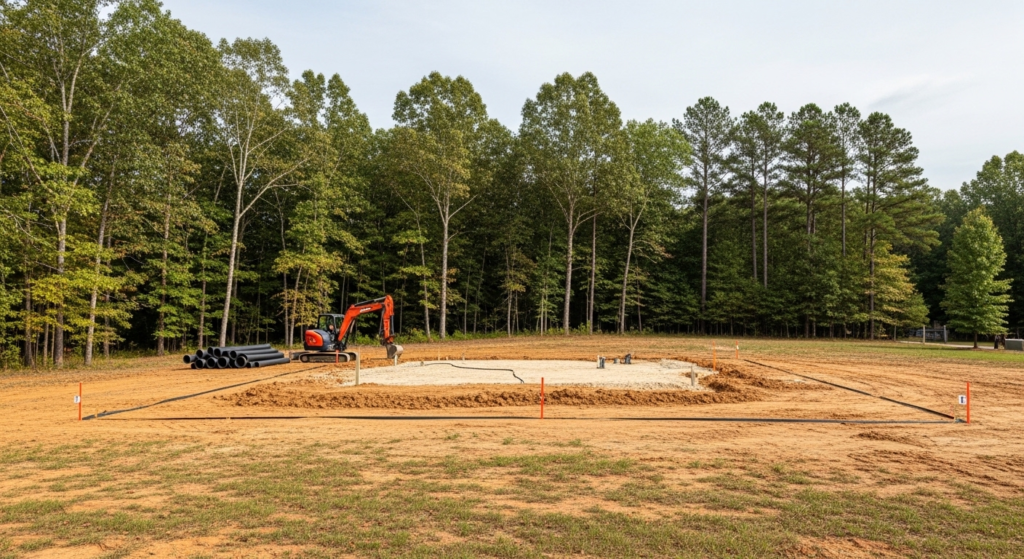
Many homeowners assume owning land automatically lowers their total cost. Sometimes it does—but not always.
Hidden costs to consider:
- Clearing trees or grading uneven land
- Bringing utilities to the site
- Soil testing and foundation adjustments
- Driveway construction
In some cases, raw land development can add $20,000 to $100,000+ to your project.
The upside:
- Full control over location and layout
- Long-term property value benefits
- More flexibility in home design
The key is understanding these costs early—not after construction begins.
Why Square Foot Pricing Can Be Misleading
Let’s say you’re quoted:
- 2,000 sq ft home at $220/sq ft
- Total: $440,000
Sounds straightforward, but here’s what that number might not reflect:
- A steep lot requiring extra foundation work
- Upgraded finishes increasing interior costs
- Design changes during construction
- Permit or inspection adjustments
This is why experienced builders don’t rely solely on per-square-foot pricing—they build detailed estimates based on your specific project.
Practical Insights: What Homeowners Often Get Wrong
1. Assuming All Builders Price the Same Way
Different builders include different things in their estimates.
- Some include site work; others don’t
- Some include allowances for finishes; others use fixed selections
What to do: Always ask what’s included and what isn’t.
2. Underestimating Finish Costs
Interior finishes can quietly blow up a budget.
- Cabinets, countertops, and flooring add up quickly
- Small upgrades across multiple rooms compound fast
Tip: Decide early where to splurge and where to stay practical.
3. Ignoring Site Conditions
A beautiful piece of land can come with hidden challenges.
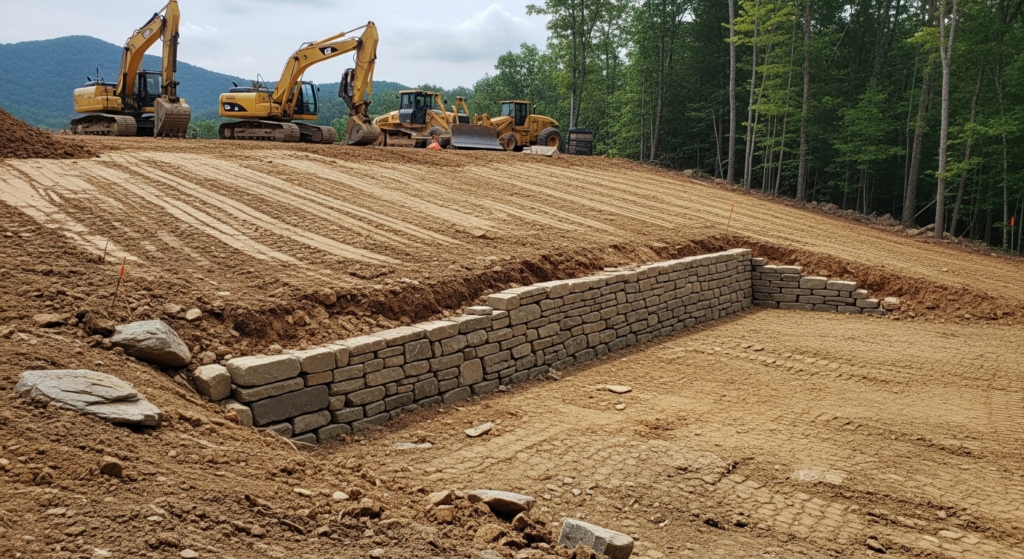
- Sloped terrain
- Poor soil quality
- Limited access for equipment
These can significantly impact your final custom home build cost per square foot.
4. Planning Without a Contingency Budget
Unexpected costs happen—even in well-managed projects.
- Material changes
- Weather delays
- Minor design adjustments
Best practice: Set aside 10–15% of your budget for contingencies.
How to Approach Budgeting the Right Way
Instead of asking, “What’s the cost per square foot?”, a better question is:
“What will my total project realistically cost based on my goals?”
A smarter approach:
- Start with a total budget range
- Define your must-haves vs. nice-to-haves
- Work with a builder early in the design phase
- Get a detailed, line-item estimate
This approach leads to fewer surprises—and better decisions.
Expert Perspective: Why Experience Matters in Custom Builds
Custom homes are complex. Every decision—from foundation type to window placement—affects cost, timeline, and long-term performance.
An experienced builder helps you:
- Identify cost-saving opportunities without cutting quality
- Anticipate site-specific challenges
- Balance design vision with budget reality
- Avoid delays caused by poor planning
This is especially important in a market like North Carolina, where regional differences and growth trends can quickly shift project costs.
If you’re exploring your options and want clarity around your specific project, it’s worth taking the time to contact us and start a conversation early in the planning process.
2026 Trends to Watch in North Carolina Home Building
1. Energy Efficiency Is Becoming Standard
More homeowners are prioritizing:
- Better insulation
- Energy-efficient windows
- Smart HVAC systems
While these add upfront cost, they reduce long-term expenses.
2. Smaller, Smarter Layouts
Instead of building bigger, many homeowners are building more efficiently.
- Open floor plans
- Multi-use spaces
- Less wasted square footage
This helps control the overall average price to build a house.
3. Increased Demand for Customization
Homeowners want homes tailored to their lifestyle—not generic layouts.
This pushes costs higher but also increases long-term satisfaction and resale value.
Conclusion
The custom home build cost per square foot is a useful guideline-but it’s only one piece of the puzzle.
In North Carolina’s 2026 market, your total cost depends on:
- Your land
- Your design choices
- Your builder
- Your planning process
When you focus on the full picture—not just a single number—you’re far more likely to stay on budget and end up with a home that truly fits your needs.
At Hawksbill Homes Carolina, the goal isn’t just to build houses—it’s to help homeowners make informed, confident decisions from the very beginning. If you’re ready to explore what your custom home might look like, the next step is simply to learn more and start the conversation.
Contact us today to discuss your vision and take the first step toward building your custom home.