
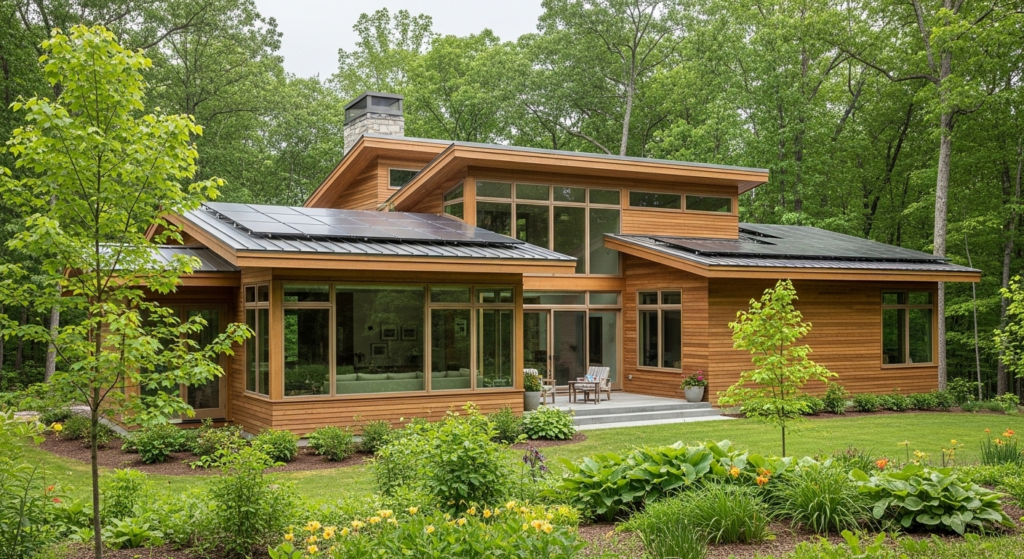
Eco-Friendly Building Materials for Sustainable Homes
When people first start researching eco-friendly building materials, they often assume it means higher costs, limited design options, or complicated construction methods. That used to be true in some cases—but not anymore.
Today, sustainable building is less about making sacrifices and more about making informed choices. The materials you select can affect everything from energy efficiency and maintenance costs to indoor air quality and long-term durability.
For homeowners working with builders like Hawksbill Homes Carolina, understanding how these materials actually perform in real-world conditions—especially in climates like North Carolina—can help you build a home that’s not only environmentally responsible but also practical and comfortable for everyday living.
This guide walks through what eco-friendly materials really are, how they work, and how to choose the right ones without overcomplicating your project.
What Makes a Building Material “Eco-Friendly”?
Not all “green” materials are equal. The term gets used broadly, but in practice, it comes down to a few key factors.
Core characteristics of eco-friendly materials:
- Sustainability: Sourced from renewable or responsibly managed resources
- Low environmental impact: Minimal pollution during production and transport
- Energy efficiency: Helps reduce heating and cooling demands
- Durability: Longer lifespan means less replacement and waste
- Indoor health: Low or no harmful chemical emissions
Many sustainable building materials check several of these boxes, but very few check all of them. That’s why it’s important to look at the full picture instead of focusing on a single label.
Popular Eco-Friendly Building Materials in 2026
The range of green building materials available today is much broader than it was even five years ago. Here are some of the most practical and widely used options.
1. Engineered Wood and Sustainably Harvested Lumber
Wood remains one of the most widely used building materials—but how it’s sourced matters.
- Certified lumber comes from responsibly managed forests
- Engineered wood products reduce waste by using smaller pieces efficiently
- Strong and versatile for framing and finishes
These options balance environmental responsibility with performance and cost.
2. Recycled and Reclaimed Materials
Using recycled building materials reduces demand for new resources and keeps waste out of landfills.
Common examples include:
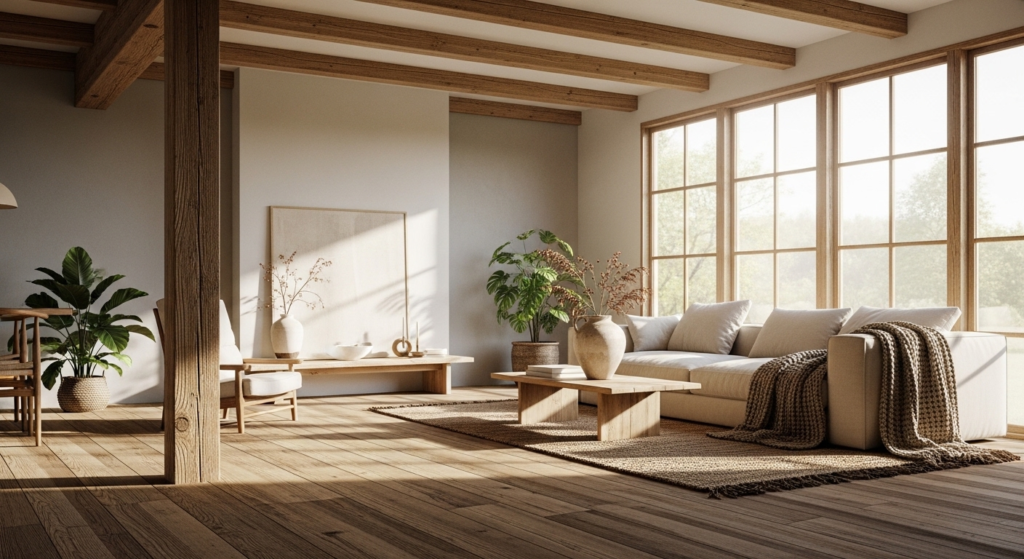
- Reclaimed wood for flooring or beams
- Recycled steel for structural elements
- Repurposed brick or stone
Beyond sustainability, these materials often add character and uniqueness to a home.
3. High-Performance Insulation
Insulation plays a major role in energy efficiency.
- Spray foam for airtight sealing
- Cellulose insulation made from recycled paper
- Mineral wool for fire resistance and durability
These energy efficient building materials help reduce long-term heating and cooling costs.
4. Low-VOC Paints and Finishes
Indoor air quality is often overlooked in sustainable construction.
- Low-VOC (volatile organic compound) paints reduce harmful emissions
- Safer for both occupants and construction crews
- Available in a wide range of finishes and colors
This is one of the simplest ways to make a home healthier without significantly increasing cost.
5. Energy-Efficient Windows and Doors
Windows are a major source of energy loss if not properly selected.
- Double or triple-pane glass improves insulation
- Low-E coatings reduce heat transfer
- Proper sealing prevents air leaks
These upgrades often provide noticeable comfort improvements year-round.
6. Sustainable Flooring Options
Flooring choices can significantly impact both sustainability and durability.
Popular options include:
- Bamboo (fast-growing and renewable)
- Cork (harvested without harming trees)
- Reclaimed hardwood
Each offers a balance between environmental impact and long-term performance.
How Climate Affects Material Choices in North Carolina?
Not all eco-friendly materials perform the same in every region.
In North Carolina, key considerations include:
- Humidity: Materials must resist moisture and mold
- Temperature swings: Insulation and sealing are critical
- Storm resilience: Especially in coastal areas
For example:
- Moisture-resistant insulation is more important than just high R-value
- Durable exterior materials reduce long-term maintenance
- Proper ventilation systems are essential
This is where thoughtful home remodel intersects with material selection—ensuring the home performs well over time.
Cost vs. Value: Are Eco-Friendly Materials Worth It?
One of the most common questions is whether sustainable materials cost more.
The short answer: sometimes upfront—but often less over time.
Where you might spend more initially:
- High-performance windows
- Advanced insulation systems
- Certain sustainably sourced materials
Where you often save long-term:
- Lower energy bills
- Reduced maintenance
- Longer material lifespan
Instead of focusing only on initial cost, it’s more useful to think in terms of lifecycle value.
Practical Insights: Common Mistakes to Avoid
1. Choosing Materials Based Only on Labels
“Green” doesn’t always mean better for your specific project.
- Some materials are eco-friendly but not suited to your climate
- Others may require specialized installation
Focus on performance, not just branding.
2. Overlooking Installation Quality
Even the best materials can fail if installed incorrectly.
- Poor sealing reduces insulation effectiveness
- Improper installation can lead to moisture issues
This is one area where cutting corners often leads to higher costs later.
3. Ignoring Maintenance Requirements
Some sustainable materials require specific care.
- Natural materials may need sealing or refinishing
- Certain finishes are more sensitive to wear
Understanding maintenance upfront helps avoid surprises.
4. Trying to Do Everything at Once
Not every eco-friendly upgrade is necessary.
- Focus on high-impact areas first (insulation, windows, HVAC)
- Add other features over time if needed
A balanced approach is usually more practical.
How to Choose the Right Materials for Your Home?
Choosing materials doesn’t have to be overwhelming.
A simple decision framework:
- Start with your priorities: energy efficiency, durability, indoor air quality
- Consider your environment: climate, lot conditions, exposure
- Set a realistic budget: balance upfront cost with long-term value
- Work with experienced professionals to match materials with your goals
If you’re exploring options for incorporating eco-friendly building materials into your project, taking a thoughtful, step-by-step approach can help avoid unnecessary complexity.
Expert Perspective: Why Experience Matters in Sustainable Building
Sustainable construction isn’t just about selecting the right materials-it’s about how everything works together.
An experienced builder understands:
- How materials interact in real conditions
- Which upgrades provide the most value
- How to avoid conflicts between systems (like insulation and ventilation)
This is especially important in custom homes, where every decision affects the overall performance of the house.
If you’re in the early planning phase and want clarity on what makes sense for your specific project, it’s worth taking the time to contact us and talk through your options before making final decisions.
The Future of Sustainable Home Building
Looking ahead, a few trends are shaping how homes are built.
1. Smarter Material Use
Instead of more materials, builders are focusing on better ones.
2. Integration of Systems
Materials, insulation, and HVAC systems are being designed to work together more efficiently.
3. Greater Accessibility
Eco-friendly options are becoming more widely available—and more affordable.
Conclusion
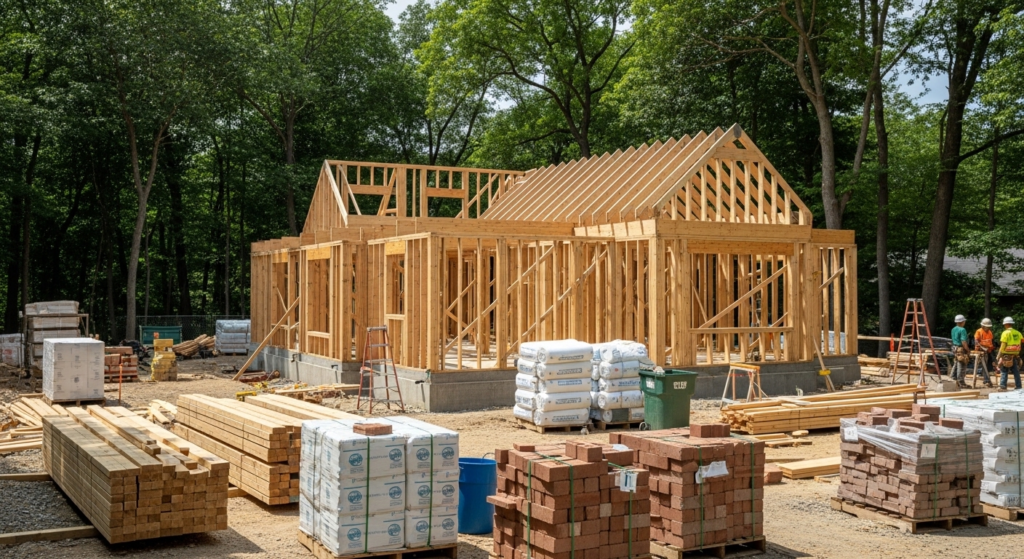
Choosing eco friendly building materials isn’t about following trends-it’s about making informed decisions that improve how your home performs over time.
When you focus on:
- Durability
- Efficiency
- Practical design
-you create a home that’s not only more sustainable, but also more comfortable and cost-effective to live in.
At Hawksbill Homes Carolina, the goal is to help homeowners understand these choices clearly and confidently. If you’re considering building or upgrading your home, the next step is simply to explore what options make the most sense for your needs.
Contact us today to start planning a more sustainable home with confidence.